
Verses about Hajj in the Quran That Inspire Every Believer
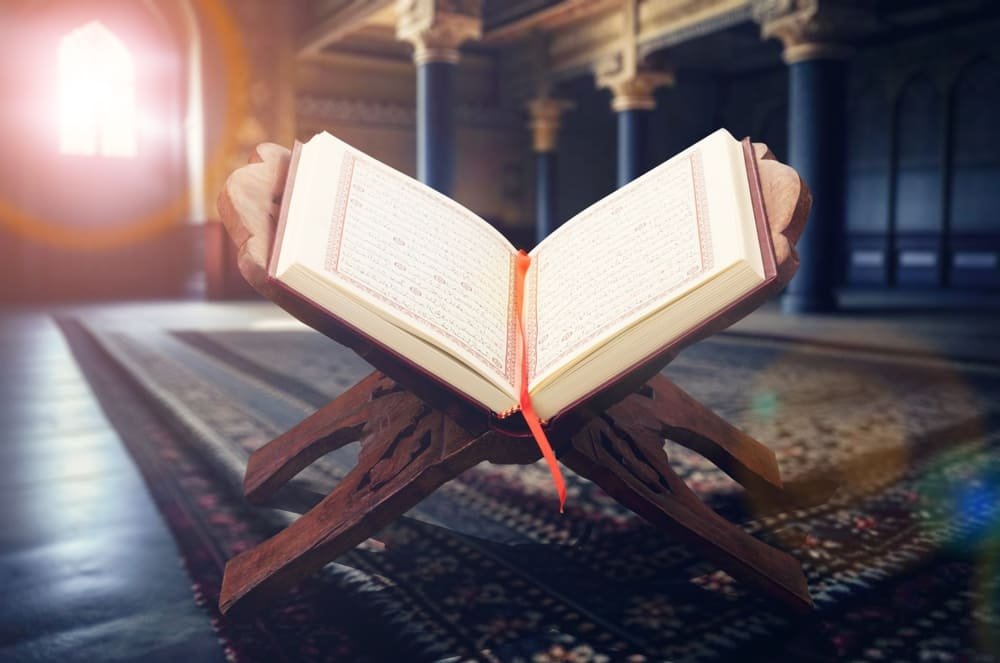
Hajj, which is arguably the most significant pillar of Islam, is a respected journey that brings millions of Muslims together throughout the world. It is a sacred pilgrimage that relies on devotion, humility, and submission to Allah. For those who might not understand the significance and beauty of this pilgrimage, we could start by looking to see how Allah describes Hajj in the Quran; the verses about Hajj highlight the spiritual purpose of the pilgrimage, the historical origins of the rituals, and the transformative power it holds in the believers’ hearts.
The verses about Hajj in the Quran do more than provide direction to Muslims about correctly conducting the ritual; they also call on believers to reflect deeply within themselves, which can yield spiritual growth, reaffirming their faith.
Hajj in the Quran: A Command from Allah
Hajj is not simply a custom; rather, it is a divine command. One of the more impactful verses about Hajj in the Quran appears in Surah Al-Imran when Allah states when capable, Hajj is obligatory for all. This verse lays the foundation of Hajj as an obligatory form of worship:
“And Hajj to the House is a duty that mankind owes to Allah for those who can find a way thereto.” (Quran 3:97)
This ayah reminds believers that Hajj is an act of shukr for what Allah has granted us. It encourages believers to fulfill the obligation with sincerity and humility. Hajj serves to understand that the pilgrimage is not meant to oppress worshippers but rather to uplift in faith and spiritual awareness.
The Legacy of Prophet Ibrahim (AS)
The Quran consistently insinuates the connection of Hajj to the legacy of Prophet Ibrahim (AS). Among the most impactful verses about Hajj in the Quran is found in Surah Al-Hajj, where Allah commands Ibrahim to announce the pilgrimage to the people:
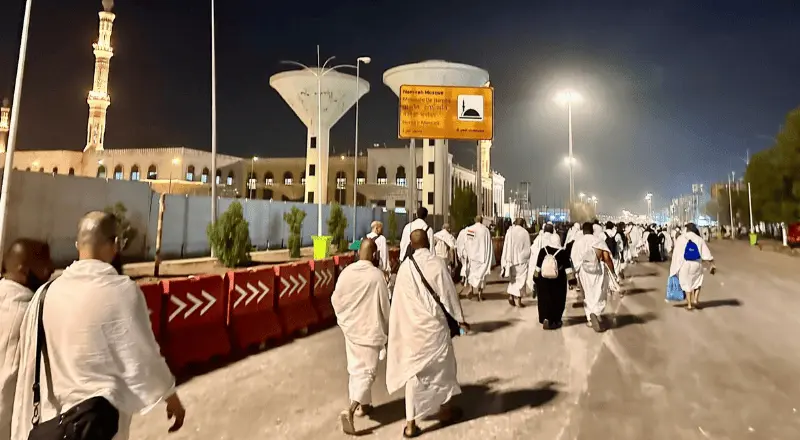
“And proclaim to the people the Hajj; they will come to you on foot and on every lean camel. They will come from every distant pass.” (Quran 22:27)
This verse well illustrates that Hajj is not bound by time. Muslims have responded to that call for centuries from every part of the globe. The verse emphasizes that the Ummah is a community of believers that transcends continents and countries and reminds believers that Hajj is simply continuing a tradition established by one of the greatest prophets of Allah.
Purification and Devotion
Many verses emphasize that Hajj is not merely a series of increasingly elaborate rituals, and while performing the rituals is important at its core, Hajj is about spiritual purification. Allah paints a picture of the sacred rites in Surah Al-Baqarah and further elaborates on the importance of remembering Him:
“And take provisions, but indeed, the best provision is Taqwa.” (Quran 2:197)
This verse instructs us that at the root of the Hajj journey must be piety. While it is important to be physically prepared, the journey of the heart, developing mindfulness, patience, and sincerity, is even more significant. Believers are reminded that Hajj is a spiritual journey of the soul before it is a physical journey of the body.
Unity and Equality among Believers
The other significant influence of Hajj in the Quran text is its encouragement or function as a unifying and egalitarian experience. When a person enters the state of ihram, divisions of wealth, class, and background vanish. Allah, in essence, stands alone in front of them; they are all equal. This message is further reinforced through the verses of the Qur’an that invite the believers to the visitors’ rituals to come together and worship in harmony.
Surah Al-Baqarah offers an example of how believers may behave during this sacred rite.
“There is to be no lewdness, nor wickedness, nor arguments during Hajj.” (Quran 2:197)
This verse engages good character, self-control, and peace notions contributing to the spirit of the unity of the Muslim Ummah.
Conclusion
The verses about Hajj function as a deep and rich source of inspiration for every believer. The believers are reminded of the hallowed history upon which Hajj is based, of the spiritual origin it promises, and, quite importantly, of the strengthening of the Ummah. To read and think about these verses provides richness to the experience of the pilgrim and reinforces the faith of one who desperately wishes to make Hajj. Ultimately, even as they pray for faith in God, the pilgrim through this text learns of the true meaning of devotion, humility, and nearness to God, making Hajj even a journey or pilgrimage that can change the heart for long after they have completed it.