
Booking an Umrah trip involves more moving parts than a standard holiday, visas tied to registered bookings, hotels that price by walking distance, and travel dates shaped by a lunar calendar. A few Umrah booking tips sorted out early tend to save both money and a fair amount of stress later on.
Decide on Your Travel Season First
Ramadan and the months surrounding Hajj are the busiest and most expensive windows for Umrah travel. Outside those periods, hotels near the Haram cost noticeably less and crowds are easier to manage, particularly for first-time pilgrims or anyone traveling with elderly family. If your dates are flexible, this single decision affects the budget more than any other. Ramadan Umrah carries real spiritual significance for many pilgrims, so it’s a trade-off worth making deliberately rather than by default.
Understand What the Visa Actually Requires
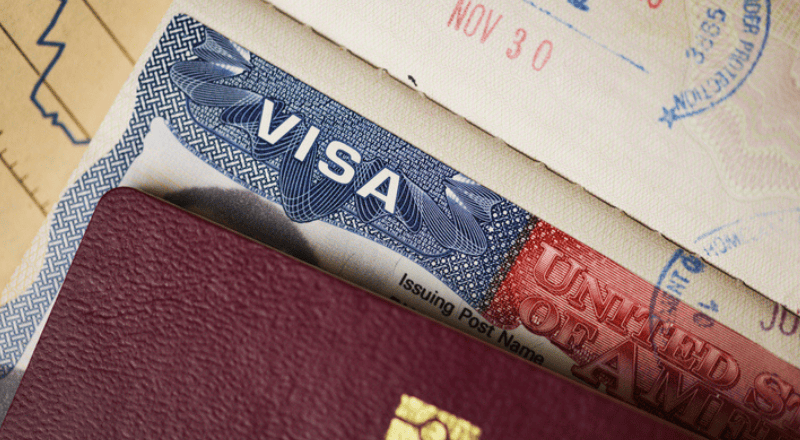
Umrah visas are tied to a registered booking through Nusuk, Saudi Arabia’s official pilgrimage platform, whether you arrange it yourself or through an approved agency. A meningitis ACWY vaccination is also required, and it needs to be administered at least ten days before travel, so it’s worth booking that appointment alongside your flights rather than leaving it to the last week.
Packages Versus Booking Everything Separately
Travelers working out how to book Umrah generally choose between a full package or arranging each piece independently. Packages bundle flights, hotels, transfers, and visa handling into one confirmation, which suits first-time pilgrims and families. Booking separately gives more control over hotel choice and flight timing but puts the coordination and the Nusuk registration entirely on you.
Hotel Distance Matters More Than Star Rating
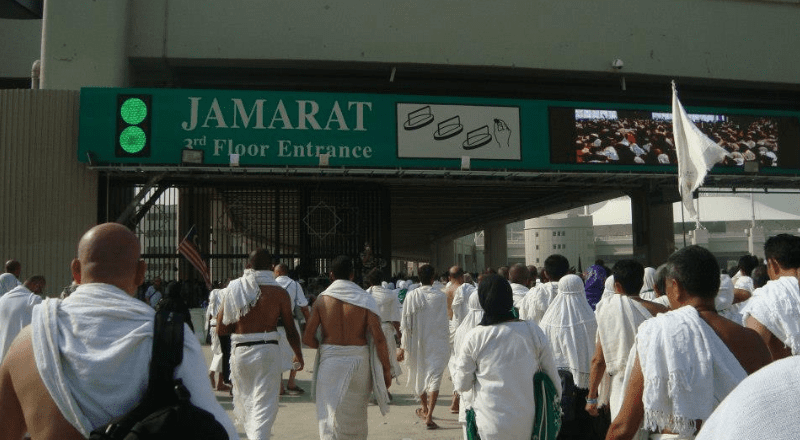
With five daily prayers plus Tawaf and Sa’i, the walk between your hotel and the Haram gets repeated many times over a short trip. A modest hotel five minutes away almost always beats a nicer one twenty minutes out, especially for older travelers. It’s worth checking actual walking distance on a map rather than trusting a listing that describes itself as close by. Recent guest reviews are also more reliable than the star rating, since crowding and hotel standards shift from one season to the next.
Plan How You’ll Get Between Cities
Most itineraries involve Jeddah, Makkah, and Madinah, and the road between the two holy cities takes four to five hours. Arranging that transport ahead of time, whether a private car, a bus, or a domestic flight, avoids sorting it out at a busy terminal after a long journey. Overnight transfers save a day for pilgrims on a tight schedule, though a daytime drive is easier on families with young children.
Questions Worth Asking Before You Pay
- What exactly is included? Meals, transfers between cities, and guided Ziyarat visits vary between providers.
- How far is the hotel from the Haram? Ask for walking minutes, not a vague description.
- Who handles the visa and Nusuk registration, and what happens if something is rejected?
- What’s the cancellation policy? Plans change, and this matters more than it seems when booking months ahead.
Give Yourself Enough Time
Three to four months ahead is a comfortable booking window for most trips, longer if you’re traveling during Ramadan or a school holiday. That leaves room for visa processing, vaccination timing, and locking in a hotel close enough to the Haram to make the trip genuinely easier rather than a daily trek. Booking late rarely saves money on this kind of travel, since the hotels closest to the mosque are usually the first to go.