

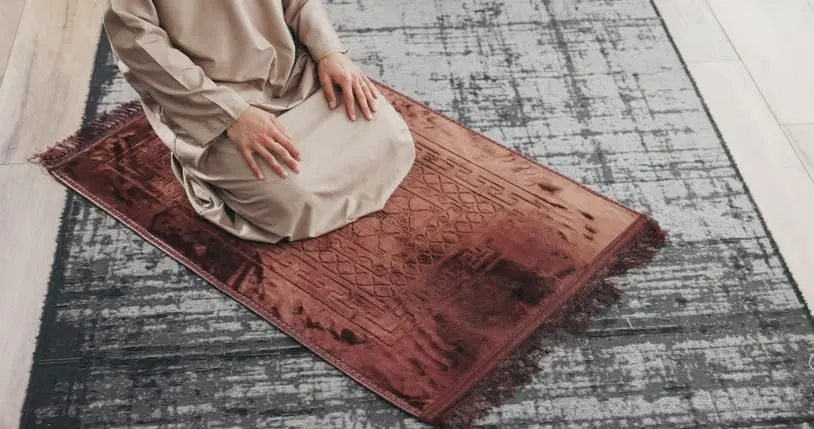
Getting a child into the habit of praying takes longer than most parents expect, and pushing too hard early on tends to backfire. The approach that works best when you teach children salah is slow, repetitive, and built far more on example than instruction.
Start With Watching, Not Doing
Young children copy what they see long before they understand it. Letting a three or four year old stand beside you during prayer, even if they wander off halfway through, builds familiarity without any pressure attached. At that age the goal is simply that salah feels like a normal part of the household rhythm rather than something imposed later. Correcting their movements at this stage is counterproductive, since the point is exposure rather than accuracy.
Break It into Small Pieces
Teaching the whole prayer at once overwhelms most children. Starting with wudu, then the physical movements, then short surahs one at a time, gives them something achievable at each stage. Many parents find that mastering al-Fatihah alone can take weeks, and that’s fine. Rushing through it usually means going back and correcting things later.
Make the Meaning Part of It
Children stay with something longer when they understand why it matters. Explaining in simple terms what the words mean and why Muslims pray five times a day turns salah from a set of motions into something with a reason behind it. Older children in particular start asking these questions on their own, and having an answer ready matters.
Building Prayer Habits for Children That Last
Consistent prayer habits for children come from routine more than reminders. Praying together at fixed times, keeping a prayer mat somewhere they can reach it themselves, and not treating a missed prayer as a failure all help. The aim is for salah to feel like something the family does together, not something a child gets told off about.
What Tends to Work
- Pray together rather than sending them off alone; children join in far more readily when a parent is beside them.
- Praise effort, not perfection; correcting every small mistake quickly turns prayer into something they dread.
- Give them their own prayer mat; a small sense of ownership does more than it sounds like it should.
- Keep expectations age-appropriate; a five-year-old managing one prayer a day is real progress.
Handling Resistance
Almost every child pushes back at some point, particularly around age eight or nine when they start testing boundaries generally. Responding with frustration usually deepens the resistance. Staying consistent yourself, keeping the tone calm, and letting them see that prayer matters to you without forcing the issue tends to get further than any argument will.
Taking Them to the Mosque
Praying in congregation gives children a different sense of what salah is, particularly boys who will be expected to attend Friday prayers as they get older. Short visits work better than long ones at first. A child who leaves the mosque before getting restless remembers it as a good experience, which makes the next visit easier.
The Long View
Islamic tradition suggests introducing salah around age seven and encouraging it more firmly by ten, which leaves a three-year window to build the habit gradually. Treating those years as a slow process rather than a deadline takes a lot of pressure off both the parent and the child. Plenty of adults who pray consistently today were inconsistent at nine, and that is worth remembering on the days it feels like nothing is sticking.