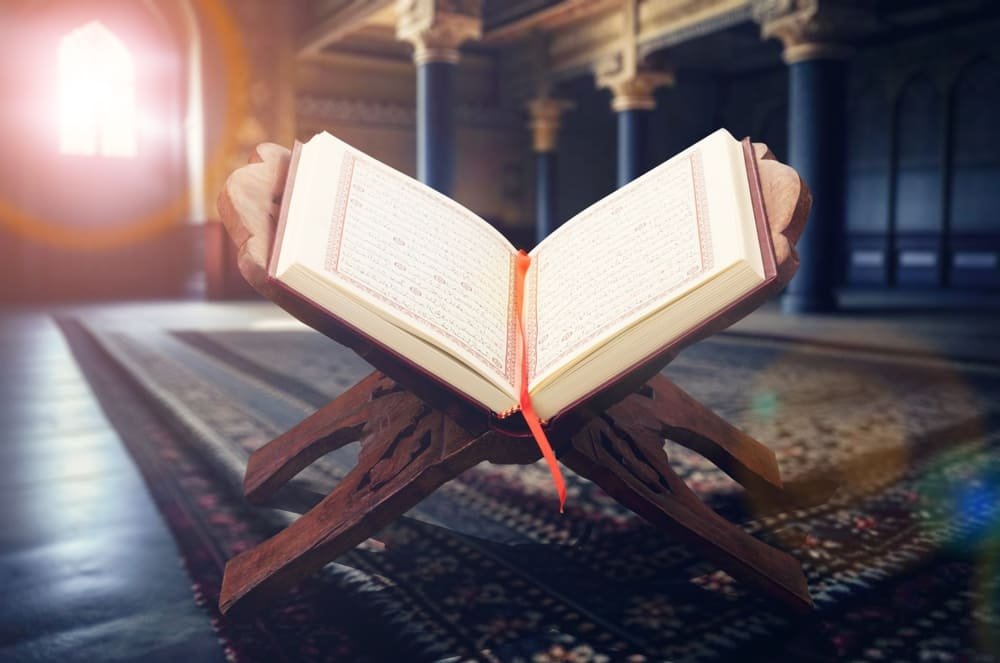

How Quran and Sunnah Shape Islamic Morals and Values
Islamic ethical teachings rest firmly on the Qur’an and Sunnah and set out the moral code and behavior that all Muslims need to follow daily. By providing specific rules and actions to demonstrate what is considered to be practicing Muslim today, the Quran and Sunnah define a Muslim way of life that promotes the establishment of an equitable and compassionate society while remaining mindful of our Creator.
Moral Foundations
Islamic morality is fundamentally based on the Qur’an & Sunnah; this implies that an Islamic moral compass is built upon these primary sources of authority, unlike many other areas of society, which have fluctuating and changing values.
The Qur’an commands Muslims to uphold justice, kindness, and generosity and prohibits immorality, oppression, and corruption, providing Muslim individuals with a stable ethical background, henceforth benefiting the social equality of society.
The life example(s) and sayings of the Prophet (peace be upon him) are also described in the Sunnah, with the Prophet being described as a person with excellent character. By following the Prophet’s examples of honesty, perseverance, humility, and forgiveness, Muslims have an everyday guide in which to put the morality of the Qur’an into practice.
Core Islamic Values
Several core values of Islam (i.e., honest, compassionate, respectful, and responsible) are repeatedly mentioned throughout both the Qur’an and the Sunnah, emphasizing the importance of values that inspire people to develop a trustworthy character balanced with respect. In both the Qur’an and the Sunnah, there are verses instructing people to restrain their anger, speak kindly, not ridicule others, and deliver on promises. All of these factors are necessary in developing a trustworthy and balanced personality.
The hadith literature of Islam adds to the teachings of virtue from the Quran with many mentions of virtues such as being truthful, showing mercy, and giving charity, which promise a reward within Islam for those who embody these in their daily lives. As such, the teachings found within these sources create a moral view of life in which obeying Allah is synonymous with treating others justly and kindly.
Establishing how to lead an Islamic Lifestyle
Through its teachings found in the Quran and Sunnah, Islam has outlined a number of specific rules/commands that an individual would need to follow when communicating, being social with others, having a family, and conducting business. The way one communicates with others (i.e., avoiding backbiting), treats one’s parents, helps the poor, and refuses to accept bribes establishes that worship provides a moral framework around the ethics and responsibility towards the greater community.
In addition to the above, the Sunnah provides practical advice and methods for Muslims to follow when resolving disputes, practicing good manners, maintaining cleanliness, providing charity, and cooperating as part of the community. Ultimately, as a Muslim aligns his/her day-to-day habits with the teachings of the Quran and Sunnah, their lifestyle will reflect those attributes of modesty, discipline, and compassion towards others.
Building Character and Society
Through its repeated assertions of the believers’ responsibility before Allah, the Quran instills within the believers the Taqwa, or God consciousness, that resists wrongdoing even when there is no one around for observation.
From a societal perspective, justice, protection of vulnerable persons, and harmonious coexistence, as outlined in the Quran and Sunnah, aim for a societal foundation of trust and mutual respect. As Muslims practice these, the Islamic morality and values can be seen in family relations, business, social services, and other social dealings.
The Quran and Sunnah provide the most comprehensive foundation to establish a Muslim’s moral compass/values. The beauty of the required obedience to Allah is manifested through the model of the Prophet Muhammad and the teachings found in both scriptures. By complying with the teachings of both scriptures, a Muslim will live an Islamic lifestyle as a direct result of his/her faith, thus fostering a more compassionate and just society that adheres to the will of Allah.