
How the Cloth of Kaabah Is Made — A Story of Devotion and Precision
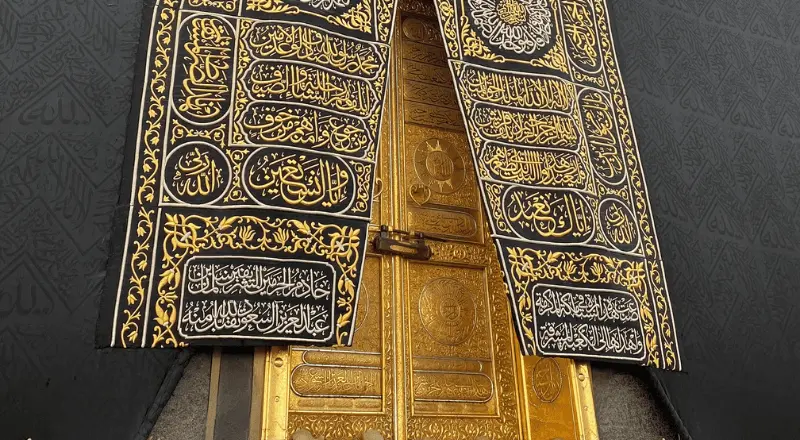
Each year, millions of Muslims face Makkah, not only Makkah and the sacred mosque but also the beautiful black covering draped over the Kaabah, called the Kaabah cloth or Kiswah. It is more than a piece of cloth; it is a sign of respect, solidarity, and devotion. The beauty in the fabric of Kaabah cloth comes from a developed process of craftsmanship, faith, and history. The stories embroidered into the Kaabah cloth speak to an amazing tradition that has been continued for centuries.
A Tradition Rooted in History
The Kaabah cloth has a history that precedes Islam. Several different tribes and rulers would provide fabric as a sign of honour. As Islam spread, the practice continued through a number of caliph’s successors.
The current Kaabah cloth production process takes place in Makkah, a special factory where creativity and devotion come together. Everyone involved considers it a huge blessing to have contributed to the cloth that they understand will be seen and remembered by millions and that will sit in the centre of worship in the world.
The Art of Weaving Spirituality
The making of a Kiswah begins with top-quality silk thread sourced specifically for Kiswah. These threads are thoroughly washed, dyed and dried. The deep black colour is achieved after several treatments that produce an evenly saturated color that will not fade over the course of the year.
Once the silk is ready, the thread is threaded through advanced weaving equipment. While the machinery is able to weave and produce precise and continuous output, someone must still oversee the process, as there is an artisan monitoring each process to assure that no defects occur. Even while using modern machinery, the person weaving still has a personal connection and relationship with their work.
Embroidery That Tells a Story
The most beautiful part of the cloth of Kaabah is the gold and silver embroidery. The Quranic verses, as well as beautifully elaborate designs, are accurately embroidered with thread that has been coated with pure gold and silver. This overly intensive process is extensively slow and can take upwards of several months. Each curve, letter, and design must adhere to hyper detail.
The highly trained artists create the outline of the calligraphy before passing it off to embroidery. Embroiders cautiously follow the outline with extreme care, as each stitch is made with respect and devotion to the holy site’s service and did its best to represent the lavish detailing.
Assembly and Final Placement
After months of weaving, embroidering, and stitching, the different components of the Kiswah are assembled into one large tapestry. This final piece is then lined with a durable cotton fabric for protection against the elements.
During the days leading up to Hajj, the old Kiswah is removed and replaced with a new Kiswah-all in a well-planned operation to ensure safety and respect of the sacred event. The sight of the new cloth of Kaabah being purified and then draped over its walls is a breathtaking experience afforded by those who have the opportunity to witness this event.
More Than Fabric
The Kiswah is not just a robe; it is a symbol of unity for the global Muslim community. The art of making the Kaaba cloth embodies not only skill but also love, respect, and devotion. Annually, as the Kiswah becomes exposed, it serves as a reminder that faith is built not only on prayers and rituals but also on the care of those who participate in making that care manifested through their hearts and hands.
The covering of the Holy Kaabah is more than just an embroidered cloth. It is a fabric made of devotion, skills, and generations of experience. The process of making the cloth for the Kaabah displays the sincere esteem Muslims have for the sanctuary of the Kaabah itself, combining the sacred intention with art. Each year, as the new Kiswah is carefully draped over the Kaabah, it stands as a powerful reminder of faith, unity, and the timeless bond that connects millions of believers around the world.