
A Complete Guide for Muslim Travelers
In recent years, halal tourism has emerged as one of the fastest-growing segments of the global travel industry. Globally, more and more destinations and service providers have begun adapting to the desires of Muslim travelers seeking travel-related experiences compatible with their Islamic faith.
This guide will take Muslim travelers through what halal tourism entails and why it’s receiving more and more attention as a fast growing subset of the travel industry.
What is Halal Tourism?
To summarize, halal tourism is travel-related services and accommodations that comply with Islamic tenets or requirements in the Islamic faith. ‘Halal’ is the Arabic word for ‘permitted’ or ‘allowed,’ but it covers more than just food. Tourism encompasses many elements of the overall travel experience, including food, accommodations, ground transportation, etc., that are also aligned with Islamic beliefs and practices.
Essentially, halal tourism allows a Muslim traveler to participate in various traveling/sharing opportunities without the fear of jeopardizing their religious commitments. In order for a trip to be considered halal, it must include an ability for the traveler to consume halal-certified foods, the availability of prayer facilities, modest environments to stay in, and family-friendly events.
Key Features of Halal Tourism
Understanding tourism: What is halal tourism? Requires knowing its essential elements:
-
Halal Food
Halal certification is among the most fundamental requirements in order for tourists to be considered halal. Hotels and restaurants offering halal travel destinations will never provide pork (and products from pigs), wine (or any alcoholic beverages), or meats that are not halal.
-
Places to Pray
Muslim travelers need to know where they can easily find a place to pray. Most halal friendly hotels will have information available regarding the locations of nearby mosques, Qibla direction, and routine praying.
-
The Absence of Alcohol
Some of the halal hotels are completely alcohol free; others may have alcohol free floors and dining areas, allowing for various levels of comfort for their patrons.
-
Amenities Intended for Modesty
Halal tourism promotes and offers amenities that will allow for more modest lifestyles (i.e., pools for females only and pools for males only, etc.).
-
Family-Friendly and Ethical Entertainment
Halal tourism aims to maximize the amount of wholesome entertainment available for families while not providing entertainment that would contradict Islamic teachings.
The Top Destinations for Halal Travel
Currently, many countries are targeting halal tourism by providing Muslim-friendly services and infrastructure.
Here are a couple of examples:
- Malaysia is often named the best destination in the world for halal tourism; it is known for its halal food, presence of mosques, and abundance of Muslim-friendly attractions.
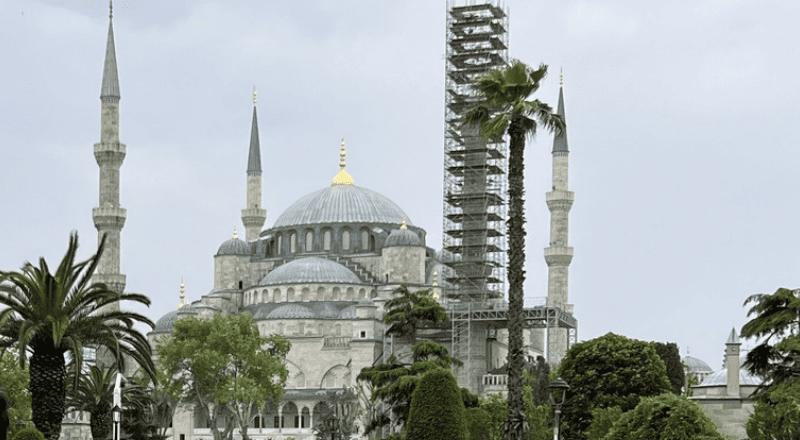
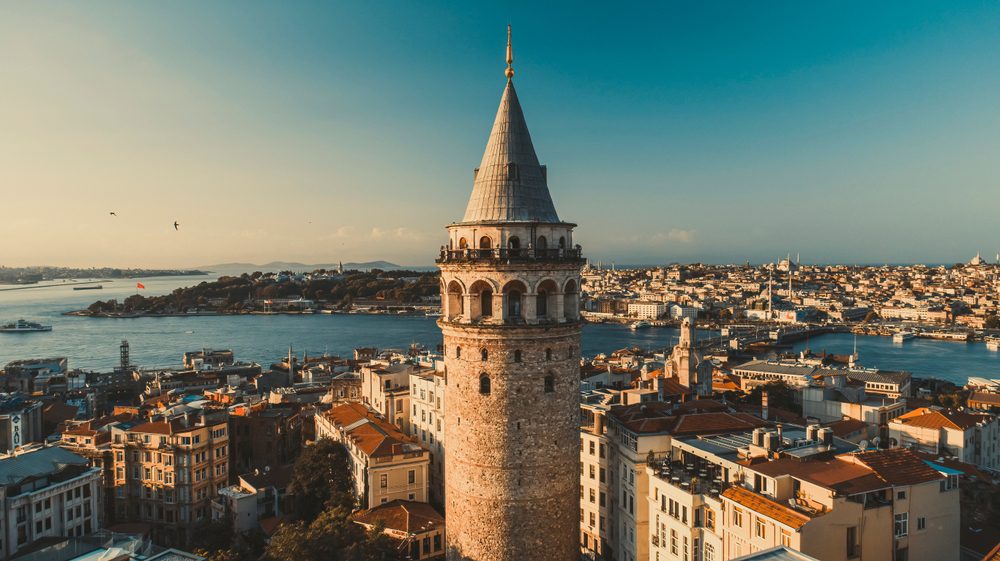
- Turkey is home to an incredible amount of history and culture; it is rich in Islamic heritage and now includes modern halal all-inclusive resorts that combine cultural tourism with halal-friendly amenities.
- The United Arab Emirates, the Arab nation, provides tourism services in halal destinations and products in halal for Muslim travelers, from high-end hotels to Islamic cultural attractions.
- Indonesia has the largest number of Muslims in the world, with additional halal-friendly travel locations in left-behind areas—
- Since the last decade, Saudi Arabia has shifted towards promoting Halal leisure travel, as well as promoting Hajj and Umrah.
Non-Muslim majority countries such as Japan, South Korea, and the UK are also developing tourism services to attract Muslim travelers.
Tourism consists of more than just halal food; it is a holistic approach to travelling, in compliance with Islamic principles, while providing exceptional global travel experiences. With so many more halal travel destinations becoming available across the globe, Muslim travelers have more options than ever before to experience the world safely, comfortably, and in accordance with their faith.