

How Hajj Unites the Muslim Ummah Spiritually and Socially
Hajj is one of the Five Pillars of Islam but also represents an important worldwide event uniting people from many parts of the world. Every year, millions of Muslims from all races, languages, cultures, and socioeconomic status gather together in Makkah to worship Allah. This coming together of millions of believers shows how Hajj unites the Muslim Ummah both spiritually and socially, as it creates a connection that goes beyond borders and the social distinctions of the world.
Spiritual Unity Through Shared Worship
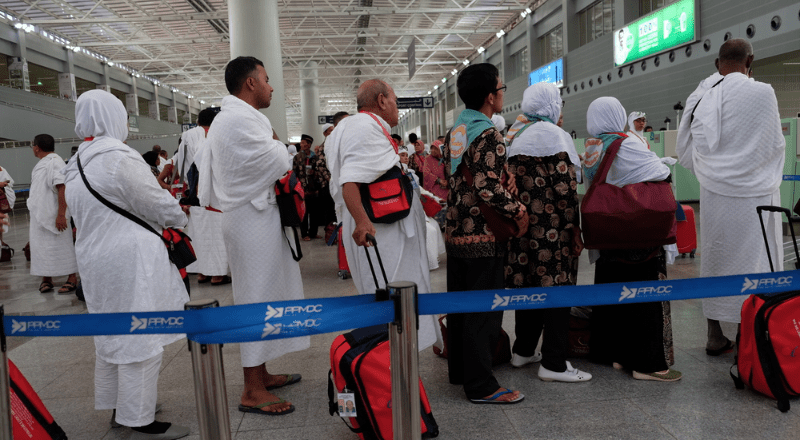
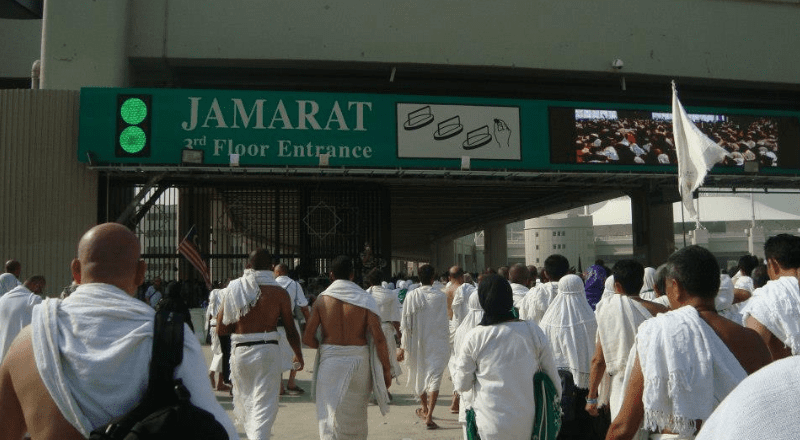
Hajj is a transformational act of worship. For the duration of the Hajj, every pilgrim enters into identified states of ihram by donning simple white robes to eliminate any evidence of wealth/privilege, social class and nationality so that all people appear equal in the sight of Allah while mixing together in a multitude of different types of worship. The symbolism of this practice expresses very powerful teachings in Islam regarding the fact that every person is equal before their Creator.
The collective nature of the rituals performed during the Hajj the pilgrimage to Mecca make it a more intense spiritual experience. Since Prophet Ibrahim’s (AS) time, Muslims have performed the Tawaf (the circling of the Kaaba (the sacred black stone in Mecca)), the Sa’y (walking between the hills of Safa and Marwa), and the Wuqoof (the standing at Arafat) together, which has led to millions of Muslims acting in unison during these performances. When millions of pilgrims raise their hands in prayer at the same time, this produces a strong feeling of spiritual unity among them. In turn, this feeling of unity reinforces the faith of Muslims and reminds them that they are part of a larger Ummah (world community of Muslims), which is united in their belief of one God (Allah).
Renewing Faith and Collective Identity
Another aspect of Hajj is that it effects a spiritual reboot to the faith of the pilgrim. By seeking forgiveness, reflecting on life, and being spiritually renewed upon returning home, the pilgrim believes he has revived his faith. This renewal occurs as a result of the collective experience of the rituals of Hajj and serves to reinforce an Islamic identity among all who participated in these rituals. When Muslims from different sects, cultures, and schools of thought participate in these rituals together, it diminishes division between Muslims and reinforces desire to come together as Muslims based on the teachings of Islam. The effects of this renewing spiritual experience extend beyond the individual pilgrim and will carry on to impact the community from which he or she came by examples of patience, humility, and compassion.
Social Unity Beyond Borders
Spirituality isn’t the only thing that makes Hajj a social equalizer. Hajj unites Muslims of differing ethnic and cultural backgrounds and encourages interaction and understanding among individuals who have never met before. A pilgrim from Indonesia might be blessed with the opportunity to break bread with a pilgrim from Nigeria; a pilgrim from Turkey might tease and lift up a pilgrim from Canada. Such incidents of socializing promote feelings of empathy and work to eliminate stereotypes, thus emphasizing the links of “brotherhood and sisterhood” within the entire Ummah as well.
The social aspect of the Hajj explains the different ways in which the Hajj brings the Muslim Ummah together. The pilgrims learn about the Muslims’ suffering, traditions, and hopes of Muslims residing in various geographic locations. Likewise, the shared experiences of travel, heat, and toil in the days during Hajj create an environment of cooperation and solidarity. In assisting one another through the rituals performed during Hajj, we are reminded of the importance of brotherhood (ukhuwwah) and selflessness as Islamic principles.
A Model for Global Muslim Unity
As Muslims undertaking the Hajj learn so much from the experience, the international gathering of Muslims at the same time in the same place provides a prime example of how spiritual beliefs transcend racial barriers and differences among peoples. Therefore, the Hajj spiritual experience has the potential to teach Muslims important lessons such as tolerance and compassion for one another, as well as foster social and spiritual development when returning home.
Hajj is not just a physical journey to a religious site. It unites the global Muslim community, strengthens the spirit, and provides many of the same benefits to the local community. Gathering millions of followers to perform the same rituals and pray and hope for forgiveness and mercy at the same time is a tangible representation of how spiritual belief can unite all people. During Hajj, Muslims will experience firsthand the connectedness of the Global Ummah: a single vision and a single devotion to Allah.