
Cave of Hira: The First Revelation Site
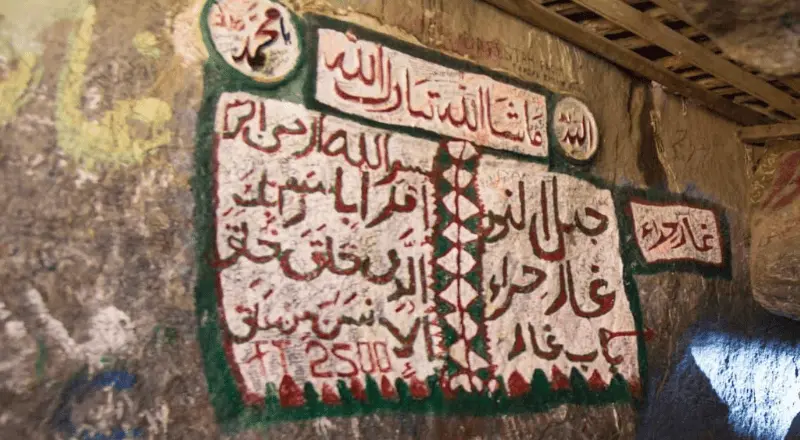
The Cave of Hira holds immense religious and historic importance in Islam, and it is commonly known as the Cave of Jabal Al Noor. This sacred site is where the first revelation of the Quran in the cave occurred, marking the beginning of God’s guidance to humanity.
The Cave of Hira is one of Makkah’s most important historical sites, and thousands visit it each year to connect with Islam and its history.
Geographic and Physical Significance
The Abal Al Noor cave is located approximately 3 km away from the Holy City of Makkah, at an elevation of about 600 meters above sea level, and requires a very physically demanding climb to reach, symbolizing the dedication and commitment to God.
- The cave itself is relatively small and narrow and can hold only a few people at one time.
- The view from Abal Al Noor overlooks the Kaaba, giving a relaxing and reflective view.
- Because of its isolated location, the cave is extremely conducive to contemplation and spiritual retreat.
Pre-Revelation Retreats
Prophet Muhammad (PBUH) spent a lot of time reading, praying, and contemplating in the Cave of Abl Al Noor before receiving his first revelation from Allah Taala. The Prophet would seek seclusion from society, especially during the month of Ramadhan, to meditate on his spirituality and how to achieve peace within himself. These retreats are an essential part of Hira cave history, showing the importance of inner peace and contemplation.
The First Revelation
One of the most important events in the Hira cave history is when Prophet Muhammad (PBUH) received the first revelation from Angel Jibreel. This event marked the beginning of prophethood and the revelation of the Quran. The first revelation of the Quran in the cave stands as a turning point in human history, emphasizing knowledge, faith, and divine connection.
Spiritual Importance
From the time of the Revelation, the cave of Hira continues to be one of the most frequented historical sites in Makkah. Pilgrims and visitors hike the Makkah mountains to reconnect with their roots and experience their connection to those who were there before them.
Reasons why the Cave of Hira is still important today:
- A place for spiritual reflection and dua (supplication)
- A tangible link to the origin of Islam
- An example of patience, perseverance and divine guidance
The cave of Hira is one of the key Islamic heritage sites with an eternal message of the Quran and the journey of revelation.
Pilgrimage Experience at the Cave of Hira
For many Muslims, the cave remains a major attraction among historical sites in Makkah. Pilgrims often describe their experience in the cave as being spiritually and emotionally connected to the early days of Islam; even though the climb may be exhausting for some people, many find that this is one of the most significant aspects of their pilgrimage experience. Because of its historical significance, the abal Al Noor cave is also a highlight of their pilgrimage experience.
Cultural and Religious Relevance
The first revelation of the Quran, along with and as a continuing symbol of Islam, the Abal Al Noor cave is not simply a landmark from early Islamic history; it is also a source of inspiration for Muslims and others. The Abal Al Noor cave serves as a physical reminder of the importance of solitude, contemplating oneself, and having faith during difficult times.
The history of Makkah is more than just a collection of stories from the past; it is the beginning of a message that has changed the course of history. As one of the most significant Islamic heritage sites, the preservation of this site for posterity will allow people in future generations to continue learning about the important lessons contained in the history of the Hira cave.